Planned CNC Machine Care

Preventive Maintenance.
Fewer Surprises.

Structured inspections, adjustments, control backups and condition reporting for fabrication equipment—planned around your machines, production schedule and maintenance priorities.

Plan Maintenance Before Production Is Interrupted

Machine-Specific Service, Not a Generic Checklist

Every preventive-maintenance visit is built around the machine type, control system, age, duty cycle and known production concerns. The objective is to identify developing problems, restore basic adjustments, preserve technical information and give your team a practical record of machine condition.

Planned DowntimeSchedule inspection work around production instead of reacting to a failure.
Condition VisibilityDocument wear, leaks, alarm history and developing reliability concerns.
Control ProtectionPreserve available parameters, programs and machine-specific control data.
Practical PrioritiesSeparate immediate concerns from items that can be planned and budgeted.

Download the Program Outlines

See What Is Included Before Scheduling a PM Visit

These customer-facing program outlines explain the available service levels, typical inspection scope, deliverables, recommended service frequency, machine-specific addendums and follow-up workflow.

PDF
Press Brake Preventive Maintenance

Press Brake PM Program

Four-page overview covering Basic, Standard and Comprehensive PM levels for mechanical, hydraulic, synchronized Y1/Y2, servo-electric and hybrid press brakes.

PDF
Turret Punch Press Preventive Maintenance

Turret Punch PM Program

Five-page overview covering Basic, Standard and Comprehensive PM levels, turret and auto-index inspection, alignment, CNC backup, loader checks and baseline tracking.

Typical Inspection Scope

A Thorough Review of the Systems That Keep the Machine Productive

The exact scope varies by machine and available documentation. The following categories represent the systems commonly reviewed during a planned maintenance visit.

01

Electrical & CNC Controls

Inspect cabinet condition, cooling, contamination, connections, relays, power supplies, batteries, alarms and available diagnostic information.

  • Control and parameter backups when supported
  • Cabinet fans, filters and heat concerns
  • Visible wiring and connection condition
02

Mechanical Condition

Review guides, bearings, fasteners, drive components, backlash, wear points, alignment concerns and unusual noise or movement.

  • Machine-specific alignment checks
  • Wear, looseness and damaged components
  • Drive, transmission and motion components
03

Hydraulics & Lubrication

Check for leakage, hose and fitting condition, oil or filter concerns, pressure-related symptoms, cylinder behavior and lubrication-system operation.

  • Visible leaks and deteriorated hoses
  • Filter, oil and temperature observations
  • Lubrication delivery and service points
04

Safety-System Function

Function-check accessible emergency stops, guards, interlocks, foot controls and installed safeguarding devices within the agreed service scope.

  • Emergency-stop and interlock checks
  • Guarding and operator-control condition
  • Laser, light-curtain or safety-device observations
05

Accuracy & Repeatability

Evaluate referencing, position consistency, backgauge or axis behavior, machine-specific alignment and basic production performance where practical.

  • Reference and repeatability observations
  • Backgauge, ram, turret or axis checks
  • Test operation with customer cooperation
06

Reporting & Recommendations

Provide a service report describing work performed, observed conditions and recommended corrective actions or future planning items.

  • Immediate and developing concerns
  • Suggested parts or follow-up service
  • Maintenance guidance for plant personnel
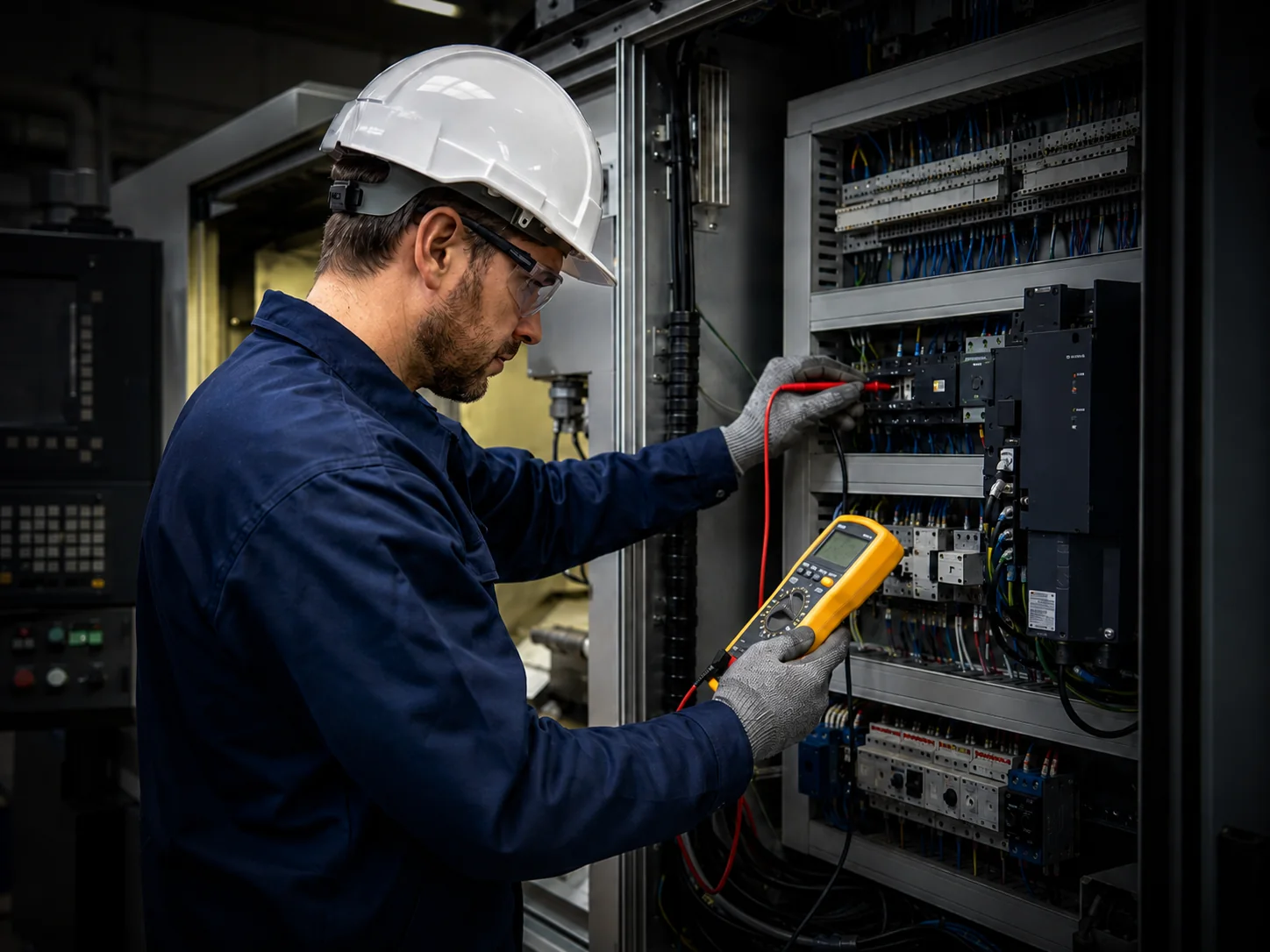
Technician checking a CNC electrical cabinet with a digital multimeter

Electrical Cabinets Need Maintenance Too

Heat, Contamination and Aging Components Can Become Reliability Problems

Fans, filters, cabinet seals, cooling equipment, loose connections and aging batteries are easy to overlook until the control begins producing intermittent alarms or data is lost. A planned visit gives the technician time to inspect these items and preserve available machine information before a failure.

01Back Up What Can Be PreservedParameters, programs and machine data are reviewed according to the control and available access.
02Look for Heat and ContaminationCooling, filters, dust, oil mist and cabinet condition are documented.
03Identify Aging ComponentsBatteries, fans, relays and visibly deteriorated devices can be planned before they become emergency items.

Fabrication Equipment Coverage

Programs Can Be Built for One Machine or an Entire Department

Branin Automation supports multi-brand fabrication environments and can group compatible equipment into an efficient planned-maintenance visit.

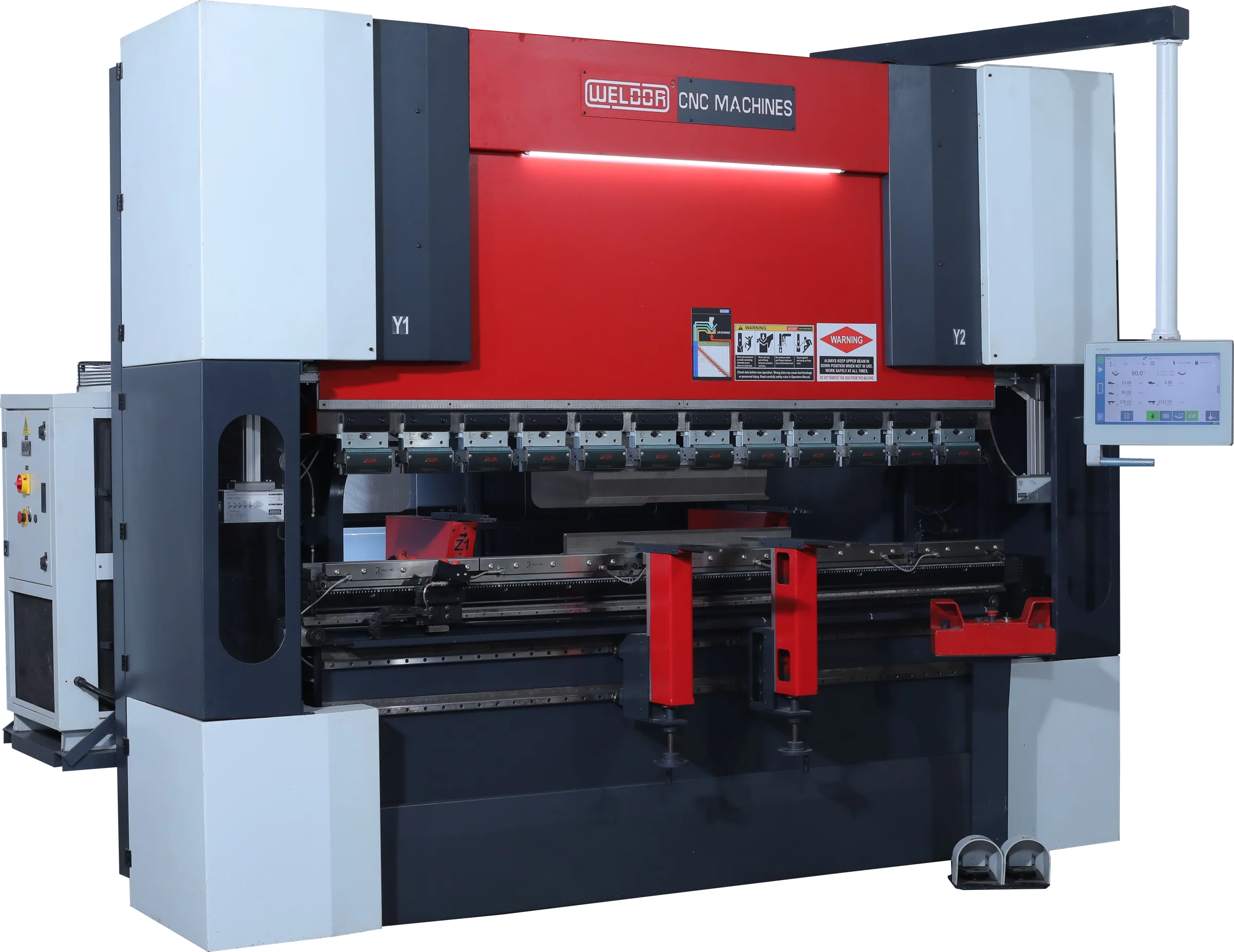
CNC hydraulic press brake
Forming

Press Brakes

Hydraulics, Y-axis synchronization, backgauges, crowning, tooling interfaces, controls and safeguarding.

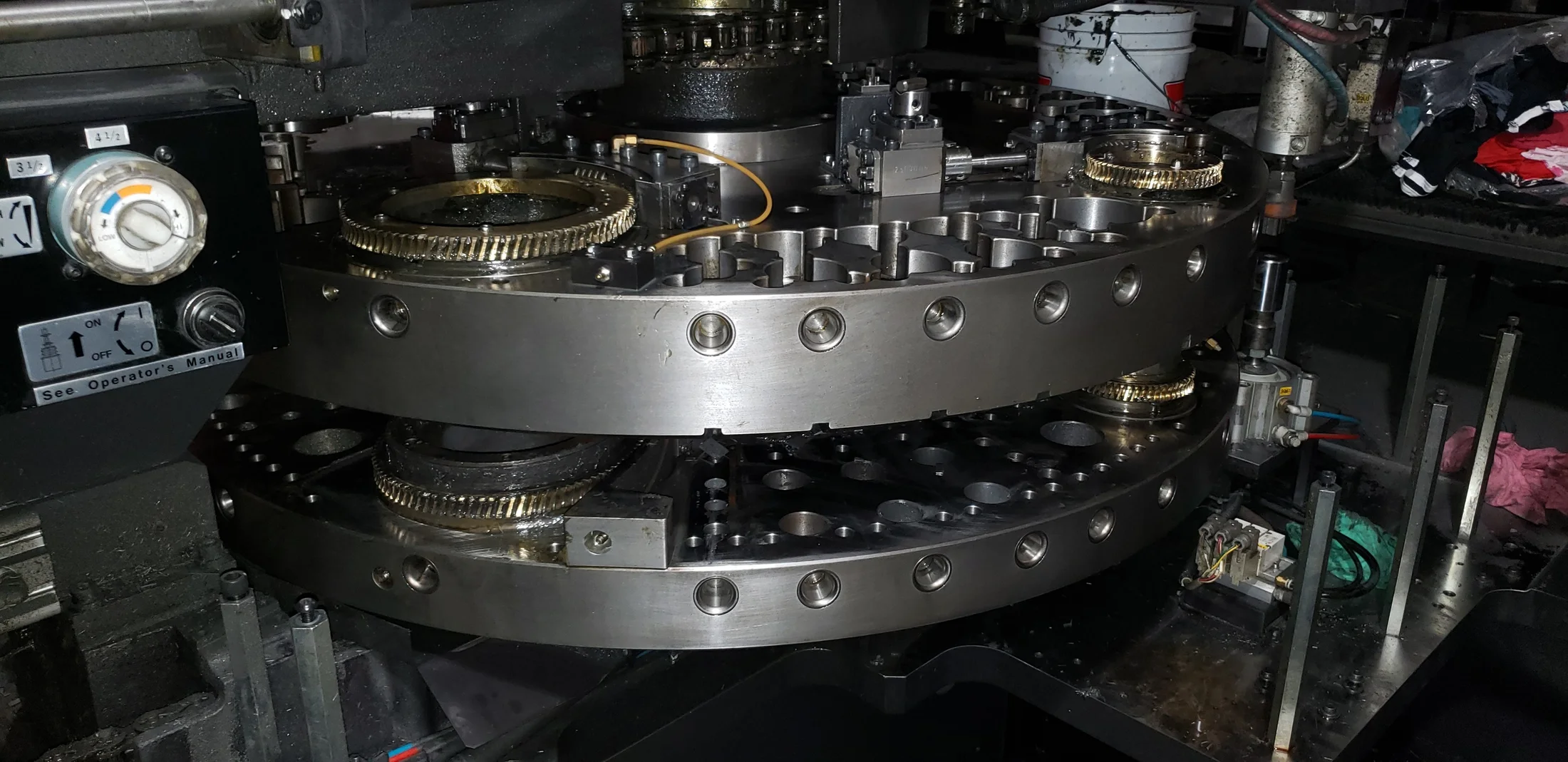
Turret punch press mechanical assembly
Punching

Turret Punch Presses

Turret, ram, auto-index, lubrication, workholders, axes, controls and machine-specific alignment items.

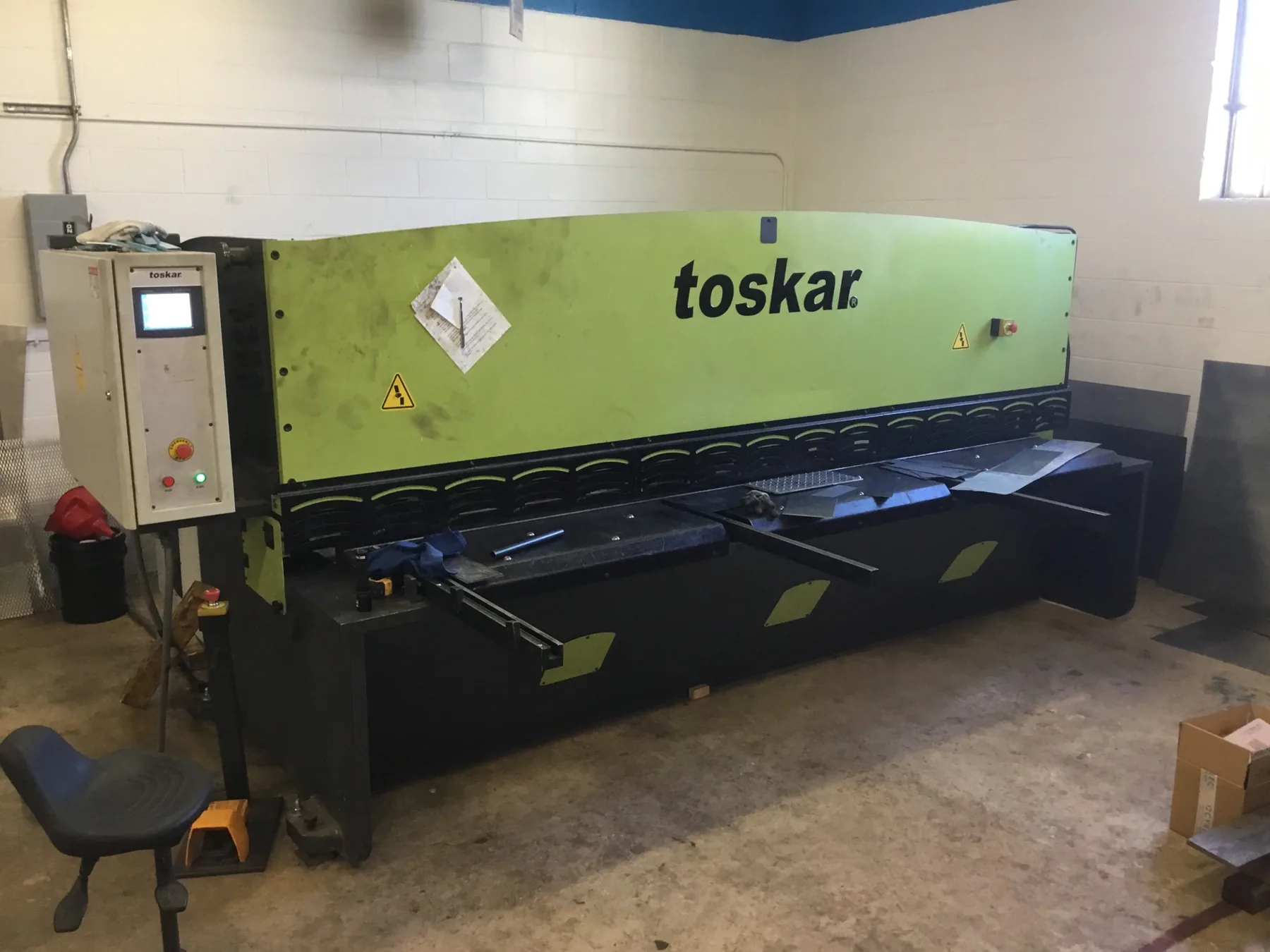
CNC hydraulic shear
Cutting

Shears

Hydraulics, blade-clearance systems, rake, hold-downs, backgauges, controls and safety devices.

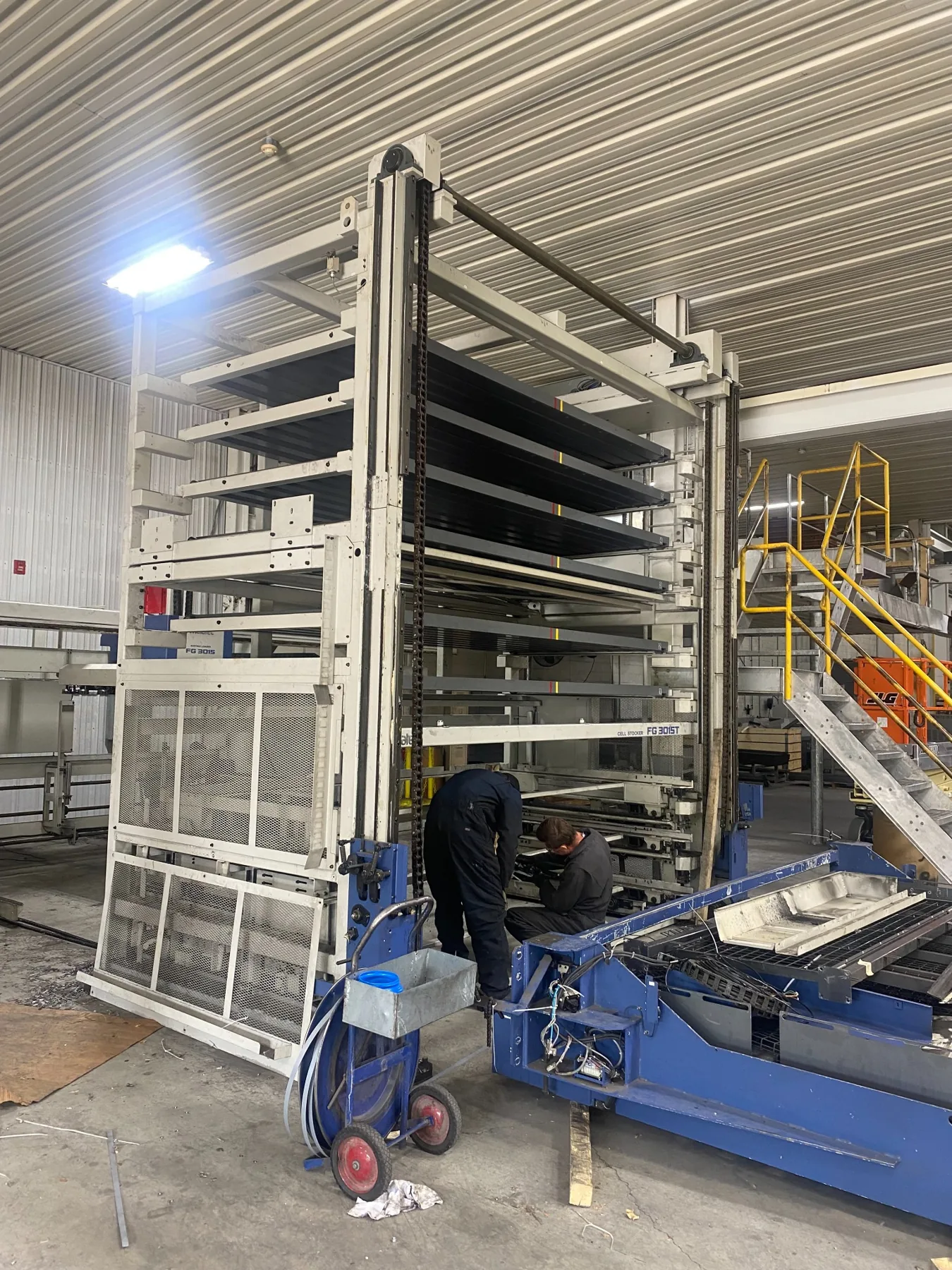
Material handling loader and automation equipment
Automation

Loaders & Cells

Sensors, touch switches, interlocks, material handling, communications and integration with the primary machine.

Flexible Maintenance Scheduling

Choose a Visit or Build a Recurring Program

Frequency should reflect machine age, utilization, environment, production criticality and the customer’s internal maintenance capability.

One-Time

Condition & Maintenance Visit

A focused preventive-maintenance visit for a specific machine, newly acquired asset, developing concern or baseline inspection.

  • Defined machine-specific scope
  • Inspection and practical adjustments
  • Written findings and recommendations
Request a visit
Customized

Annual or Multi-Machine Plan

A customized schedule for a department, facility or machine fleet, coordinated to reduce travel and production disruption.

  • Annual or custom visit frequency
  • Multiple compatible machines per trip
  • Scope tailored by machine and priority
Plan your coverage

How a Program Is Developed

Clear Scope Before the Technician Arrives

01

Identify the Equipment

Provide manufacturers, models, serial numbers, controls, locations and known concerns.

02

Define the Scope

We review machine type, history, production use, available manuals and customer priorities.

03

Schedule the Work

Coordinate access, downtime, operators, test material and any required site procedures.

04

Inspect & Document

Perform the agreed work and provide a practical report with findings and recommendations.

05

Plan Follow-Up

Prioritize repairs, parts, upgrades or the next recurring visit based on observed condition.

Information for a Maintenance Quote

Send a Machine List and Your Preferred Schedule

For the most accurate scope, include the machine manufacturer, model, serial number, control type, approximate operating hours or shifts, known issues and the facility location.

01Machine IdentificationManufacturer, model, serial number, year and capacity.
02Controls & OptionsCNC model, backgauge axes, loaders and installed safety systems.
03Usage & EnvironmentShifts, duty cycle, heat, dust, oil mist and production criticality.
04Known ConcernsLeaks, alarms, accuracy issues, noise, prior repairs or overdue service.
05SchedulingFacility location, preferred dates and available downtime.
06DocumentationManuals, drawings, prior reports and current backups when available.
Important:

Preventive maintenance can reduce risk and identify observable conditions, but it cannot guarantee uninterrupted operation or predict every component failure. Safety validation, regulatory compliance, specialized calibration and corrective repairs may require additional scope, testing, parts or qualified third-party services.

Ready to Plan the Next Service Window?

Build a Maintenance Plan Around Your Production.

One machine, multiple machines or a recurring program—start with the equipment list and operating priorities.