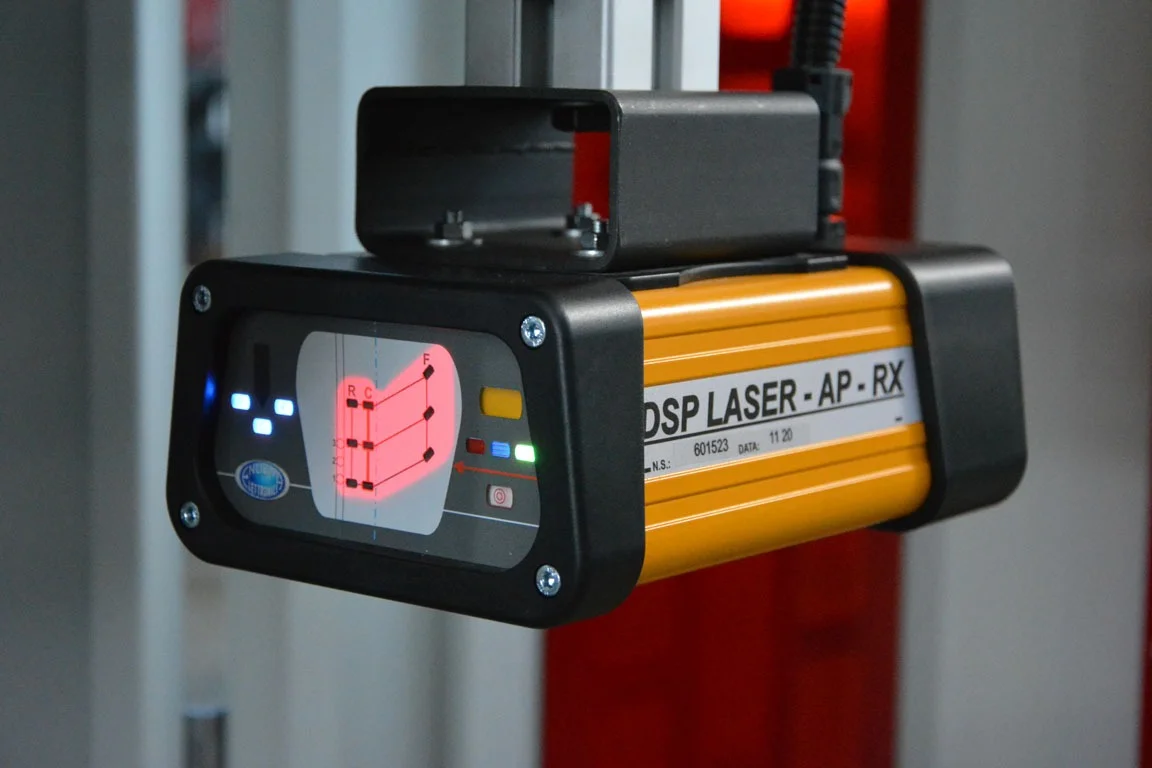
Press Brake Tooling Zone
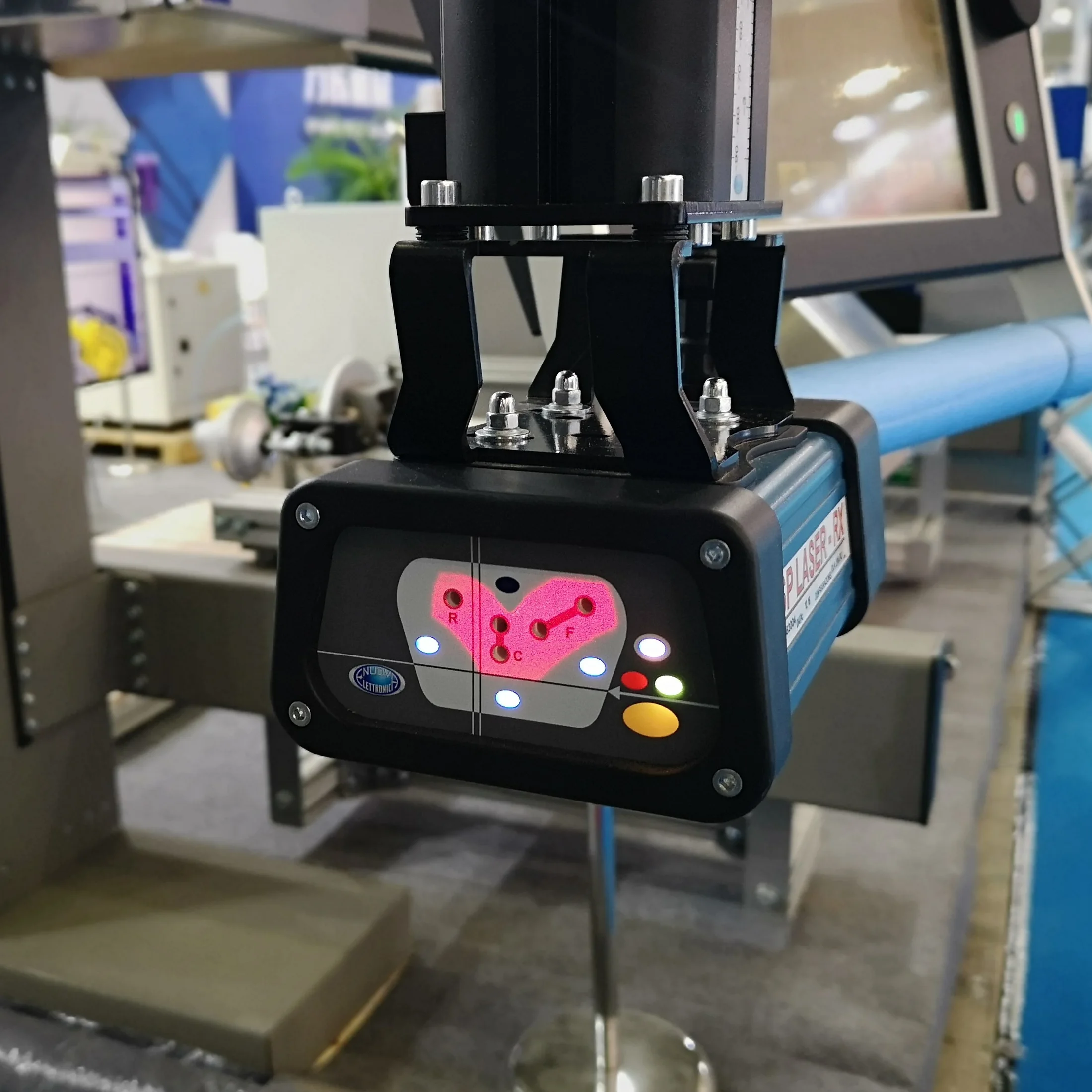
DSP Laser Guarding
Close-to-tool safeguarding designed for press brake applications, integrated with the machine safety circuit and operating modes.
View DSP systems ›
Machine Safety Evaluations & Engineered Upgrades
Machine-specific safety evaluations and engineered safeguarding upgrades for press brakes, turret punch presses, shears, automation cells and other fabrication equipment.
Safeguarding designed around the machine and the hazard
Effective safeguarding requires more than mounting a sensor. Branin Automation reviews the equipment, operating modes, stopping response, controls, tooling, material handling and existing safety circuit before recommending an upgrade.
Safeguarding Solutions
The appropriate device depends on where access must be detected, how the machine moves, and how operators interact with the equipment.
Close-to-tool safeguarding designed for press brake applications, integrated with the machine safety circuit and operating modes.
View DSP systems ›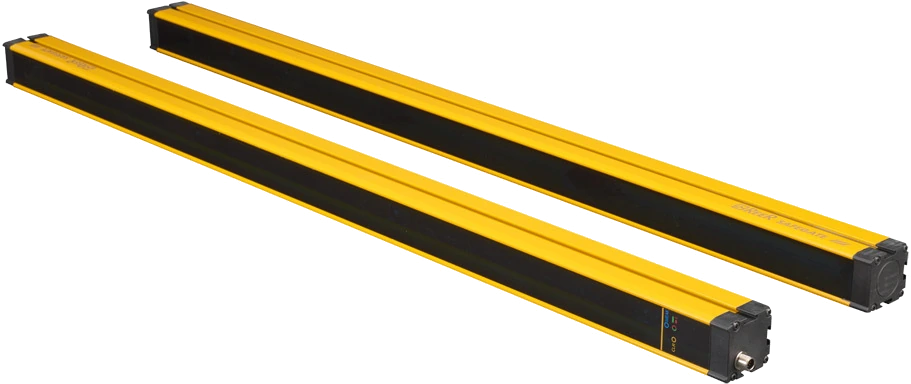
Conventional presence-sensing protection for machine access areas where the required safety distance and operating method make a light curtain appropriate.
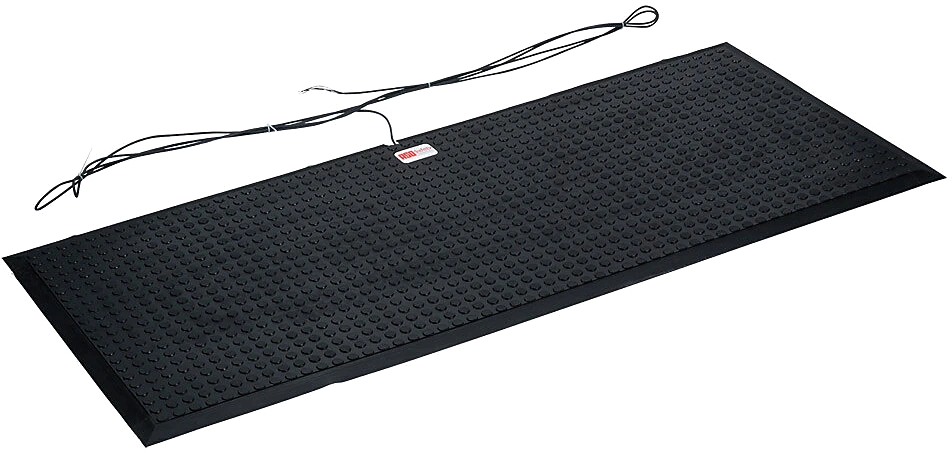
Pressure-sensitive mats for turret punch presses and other applications where entering or standing in a defined hazard area must be detected.
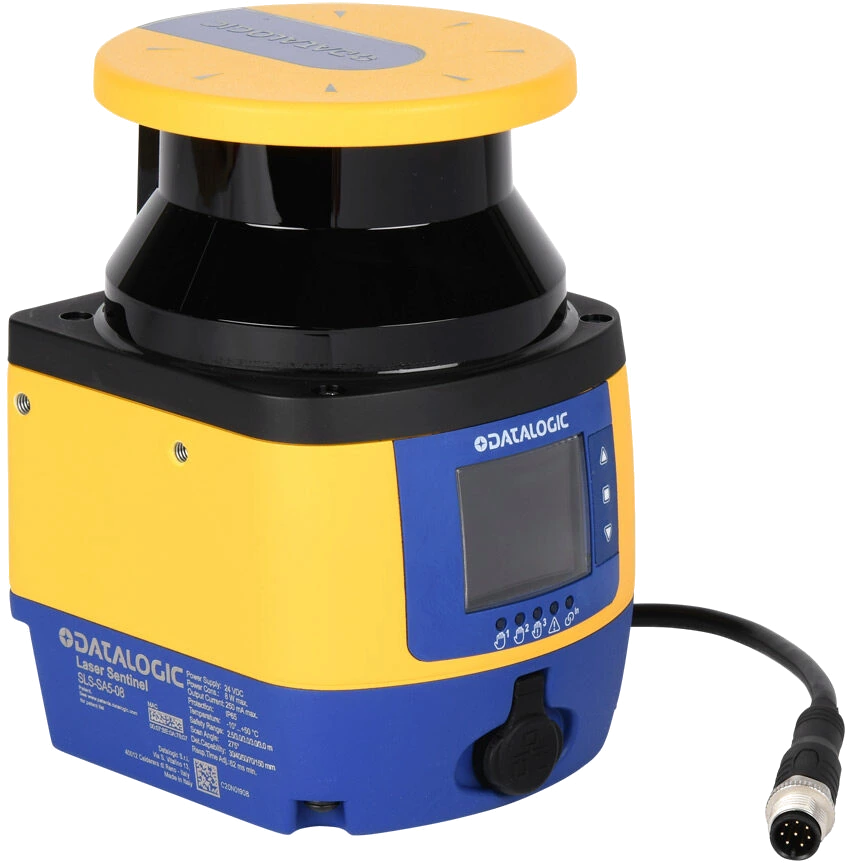
Programmable protective fields for machine perimeters, loading areas and cells where fixed guarding alone may not provide practical access control.
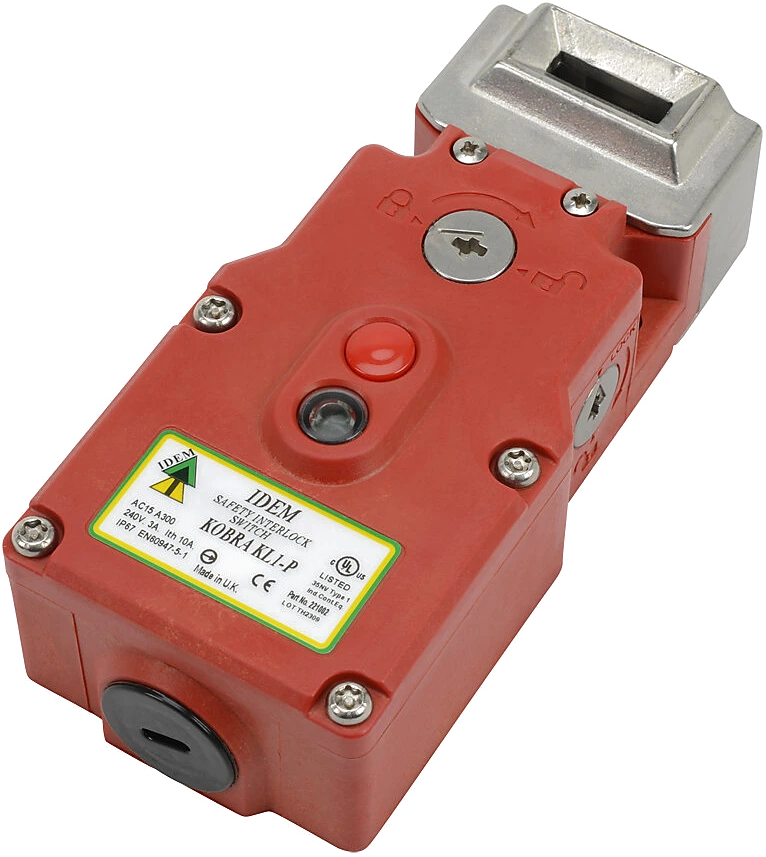
Gate switches, guard interlocks, emergency-stop devices and related circuits coordinated with the machine’s safe stopping functions.
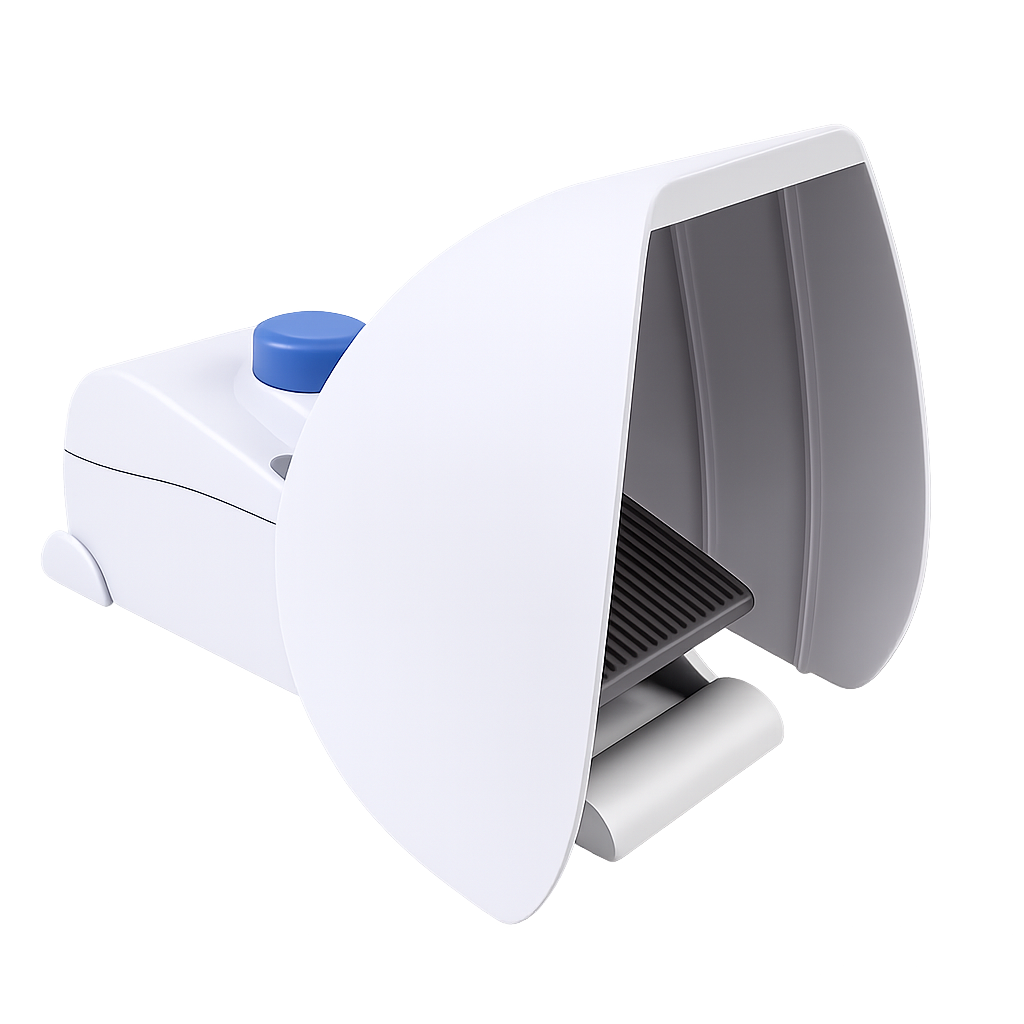
A guarded panic foot switch adds an extra layer of operator protection by allowing the press brake cycle to be stopped immediately if a hazardous condition occurs. Its three-position design helps prevent accidental activation while providing rapid emergency response at the point of operation.
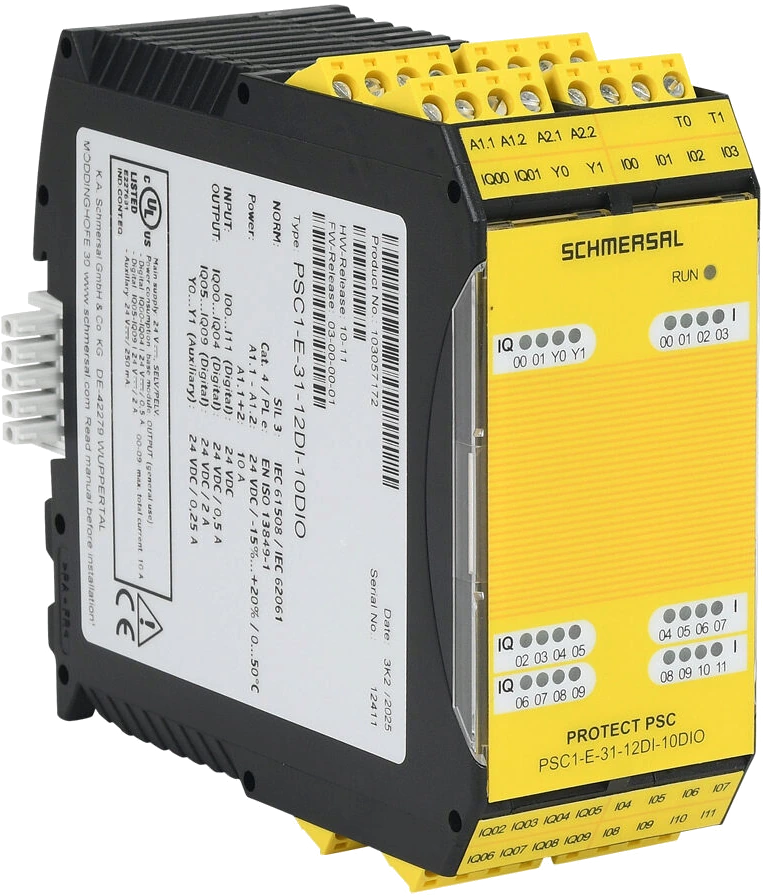
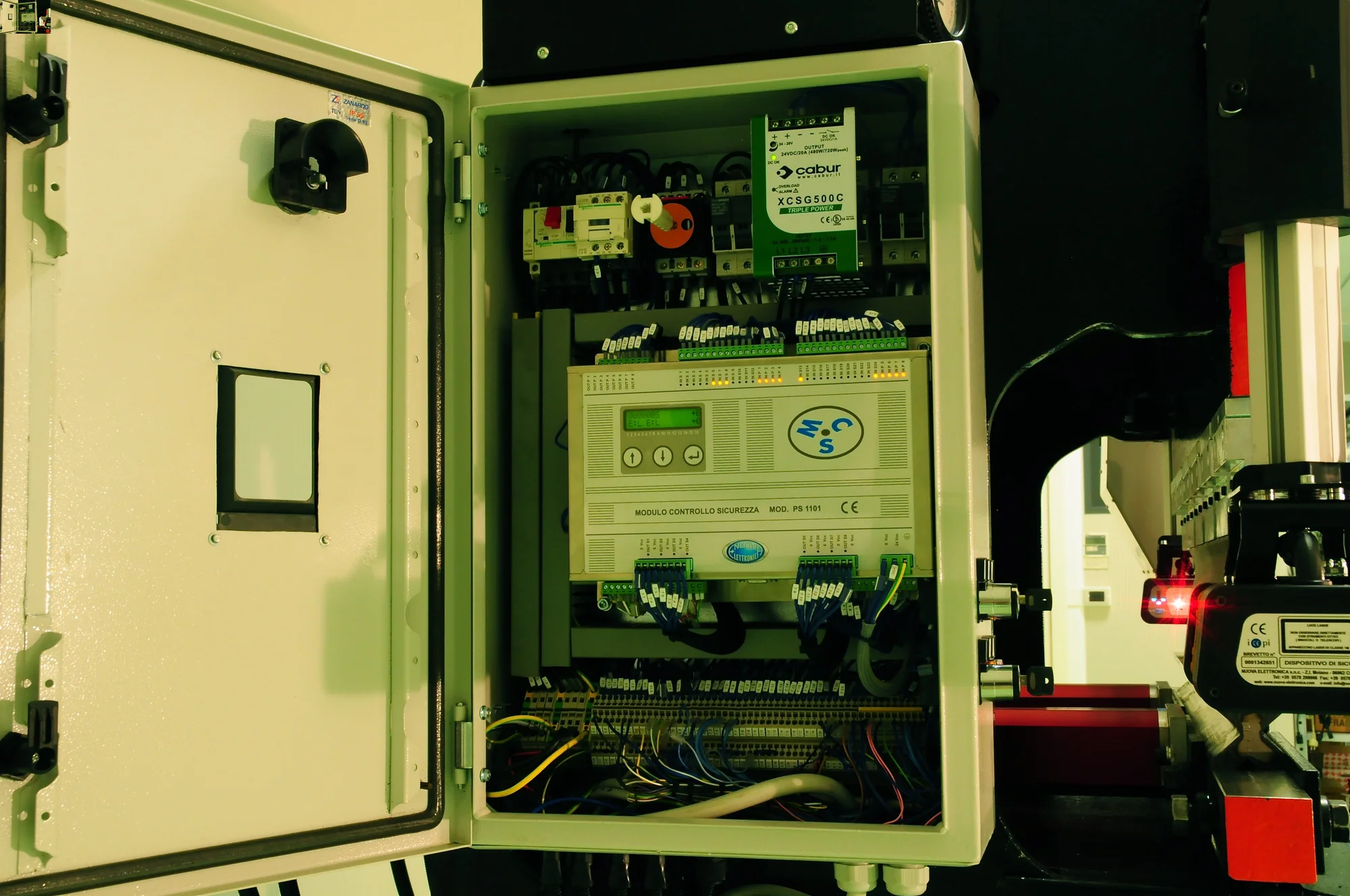
Safety-rated logic and interface devices used to monitor inputs, control outputs, supervise reset functions and coordinate machine response.
Machine-Specific Applications
Safeguarding is selected according to how the machine is loaded, where motion occurs, and whether the operator must work close to the point of operation.
Controls, Hydraulics & Machine Response
A safety device must produce the correct machine response in every relevant operating mode. That may require coordination with the CNC control, safety relay or controller, hydraulic valves, contactors, drive enables, foot controls and reset logic.
Project Process
Each project is planned around the actual machine, the customer’s production requirements and the safeguarding objective.
Review machine information, hazards, operation, stopping behavior, tooling, current safeguards and project goals.
Select devices, define mounting, develop the electrical and control interface, and identify customer or contractor responsibilities.
Mount components, complete wiring and integration, configure the system, and coordinate machine functions.
Perform functional checks, review operation with customer personnel, and document observations and recommendations.
Request a Safety Evaluation
Clear machine details, photographs and operating information help determine which safeguarding approach should be considered.
Important Safeguarding Notice
Final safeguarding must be based on the complete machine, identified hazards, stopping performance, operating methods and applicable requirements. Safety upgrades do not replace a facility risk assessment, safe procedures, operator training, supervision, maintenance or periodic inspection. Any compliance determination remains dependent on the finished installation and its actual use.
Planning a Safety Upgrade?